
Tempered glass or film: which protects your iPhone better?
Contents6
A drop from hip height is enough and the display is cracked. A screen protector is therefore one of the cheapest insurances for your smartphone. The big question is: tempered glass or protective film? Both solutions have their strengths, and the right choice depends on what matters to you.
What is tempered glass?
Tempered glass, often called protective glass, consists of multi-hardened glass usually 0.3 to 0.5 millimetres thick. It sits rigidly on the display and absorbs impacts by distributing the energy – in the worst case it breaks itself instead of letting the expensive original display crack. The surface feels almost like the real glass of the iPhone.
What is a protective film?
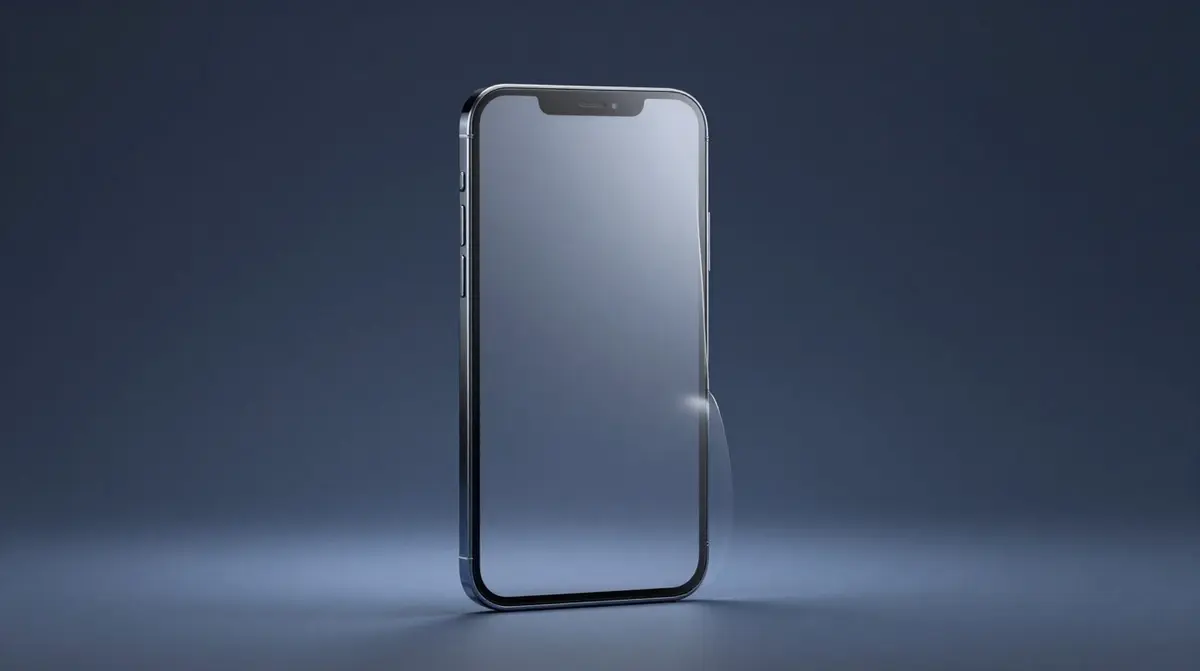
A protective film is a thin, flexible plastic film, usually made of TPU or PET. It is only a fraction of a millimetre thick, adds practically no bulk and protects mainly against scratches from keys, sand or coins in your pocket. It does little against hard drops, but it also adapts to curved display edges.
Tempered glass vs. protective film compared
| Criterion | Tempered glass | Protective film |
|---|---|---|
| Impact protection | Very good, absorbs drops | Low, mainly scratch protection |
| Scratch protection | Very good (9H hardness) | Good |
| Feel | Like real glass, smooth | Somewhat softer, sometimes rubbery |
| Thickness | 0.3 to 0.5 mm, noticeable | Very thin, barely noticeable |
| Installation | Easy, few bubbles | Trickier, dust interferes |
| Curved edges | Only with full-cover glass | Adapts to edges |
| Price | Somewhat higher | Cheaper |
Which solution suits you?
The decision is easier once you know how you use your phone. As a rule of thumb:
- Tempered glass if maximum drop protection and a crystal-clear glass feel matter to you. That is the right choice for most iPhone users.
- Protective film if you want the thinnest, most discreet result, mainly need scratch protection, or have a strongly curved display.
Installation tips
Whether glass or film, a cleanly applied protector holds best and longest.
- Clean the display thoroughly with the included cloth and remove every speck of dust.
- Work in a room with as little dust as possible – the bathroom after a shower is ideal because the humidity binds dust.
- Align the glass or film carefully and push bubbles from the centre outwards.
- Use the positioning aid that is often included so everything sits straight.
Conclusion
For most iPhone owners, good tempered glass is the best choice because it absorbs drops and feels like the original. A protective film is the right pick if you value an extremely thin profile or curved edges. Either one combined with a good case gives you the safest all-round protection.